01
The objective
- Who is it for?
- What do you want it to achieve?
- Why should people visit it?
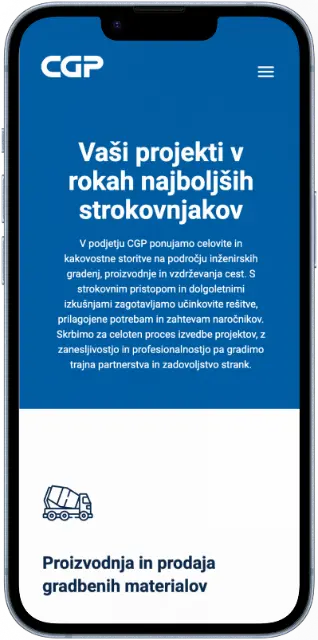
Modern websites, landing pages and full web systems. From simple CMS sites to multi-language platforms with portals, roles and integrations.
They ask for recommendations, comparisons and straight answers about what companies do. Clear structure, readable content and well-defined pages help machines understand your offer, so you show up when people search for services like yours.
Plan your website →Website traffic is still your main asset. We build the type that fits your team and your business.
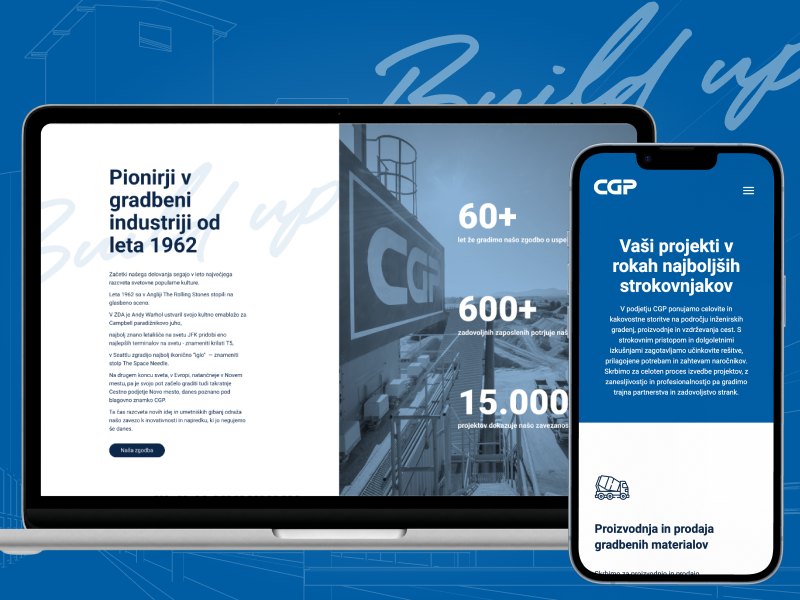
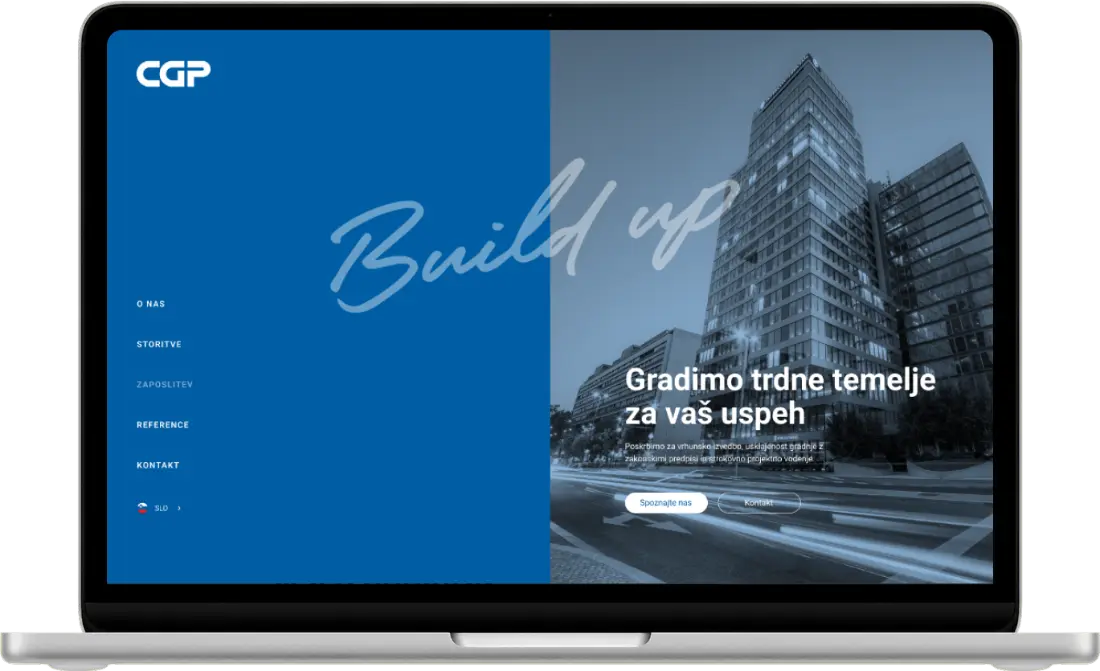
Fast, clean, easy to manage. Built for clarity, SEO foundations and smooth editing.
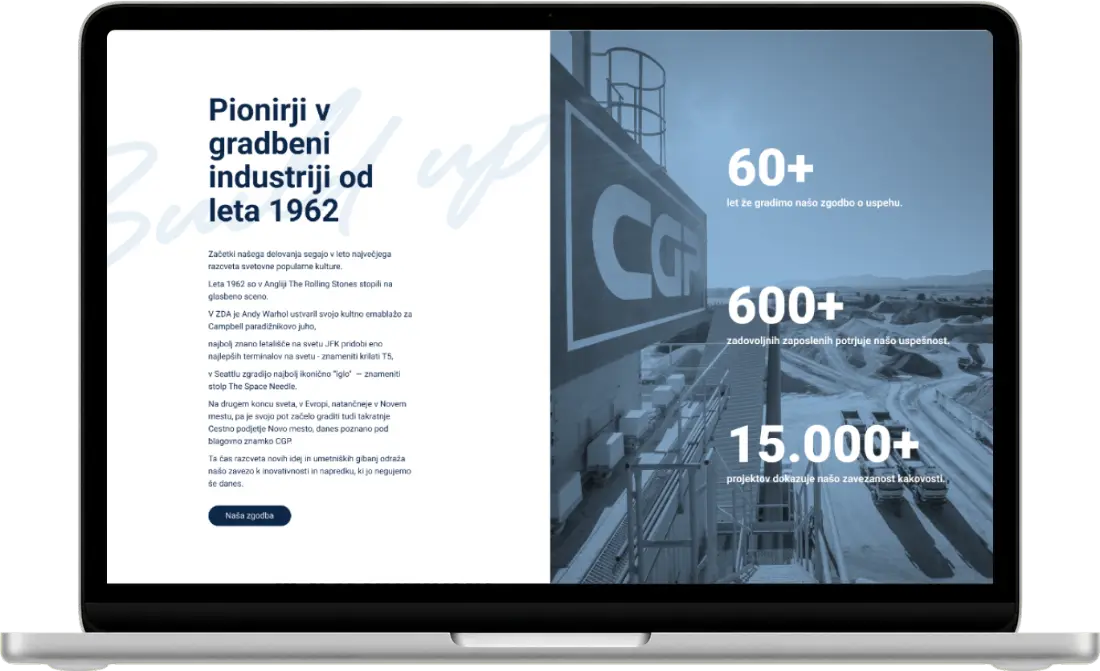
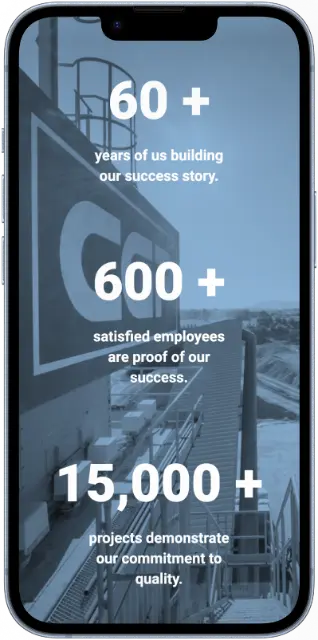
Example: CGP
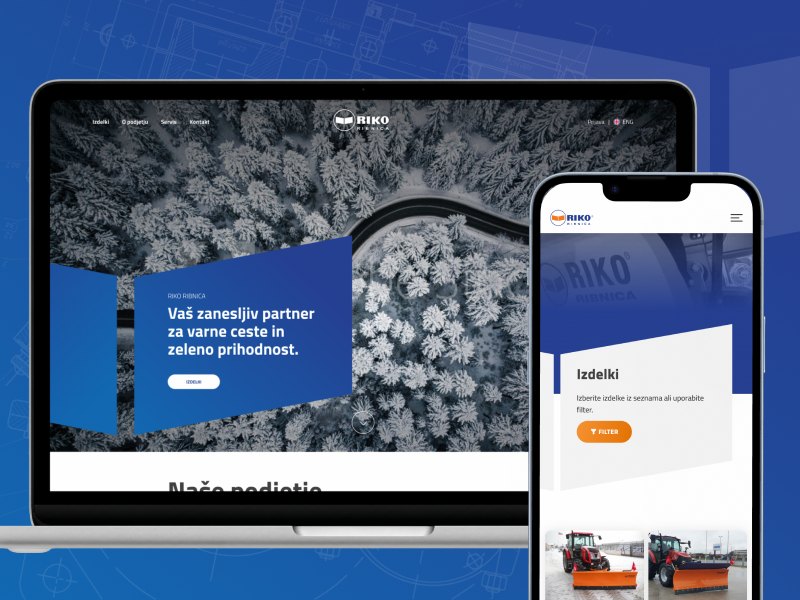
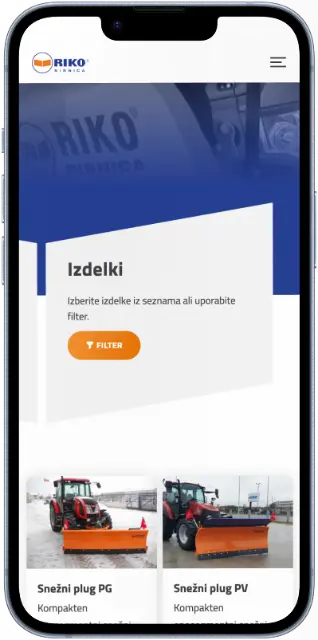
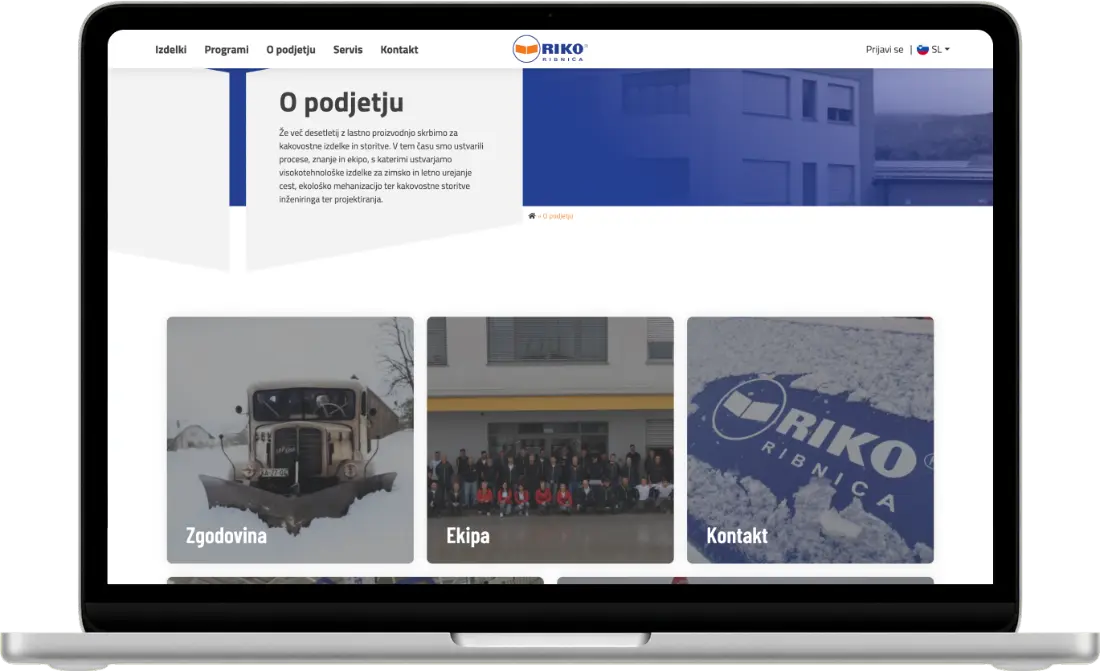
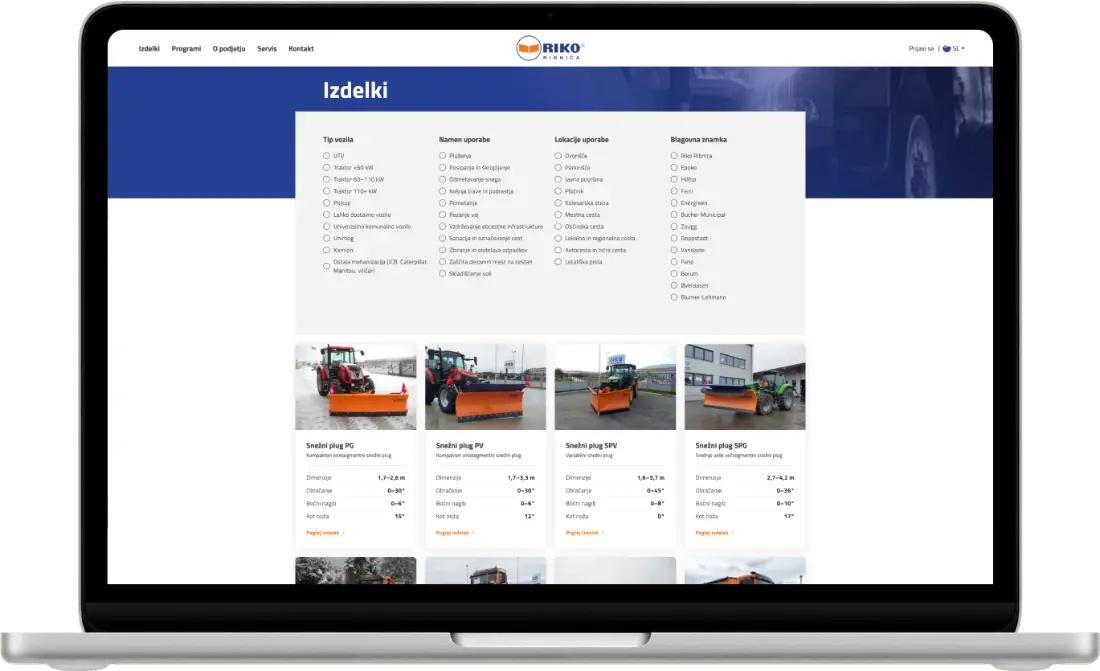
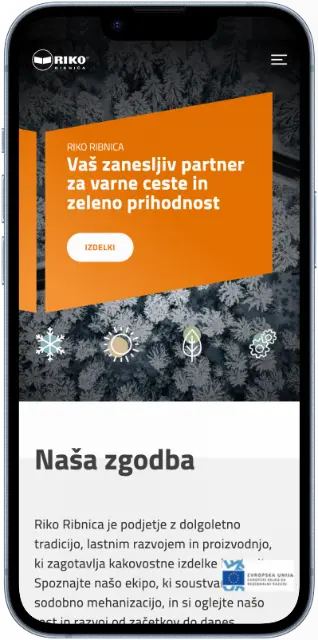
A website plus a partner layer. Roles, permissions, documents, structured content and the business logic your team needs.
Example: Riko Ribnica
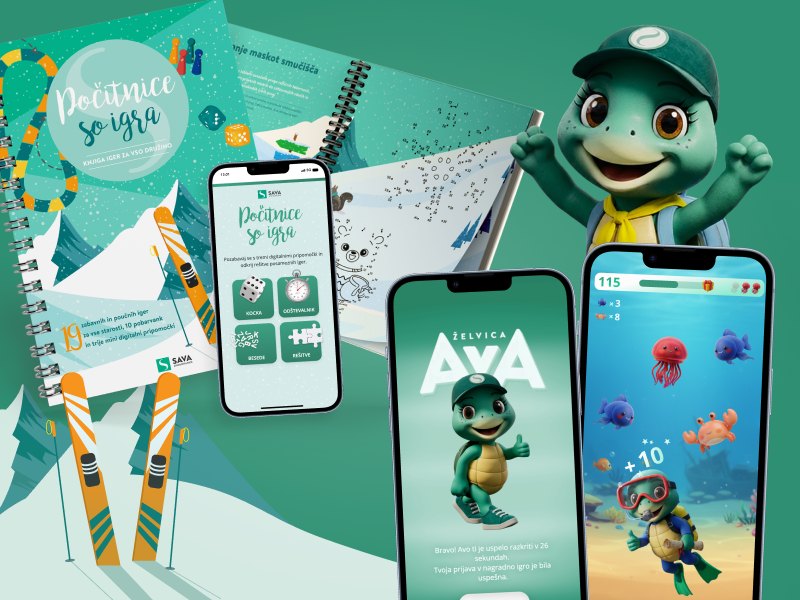
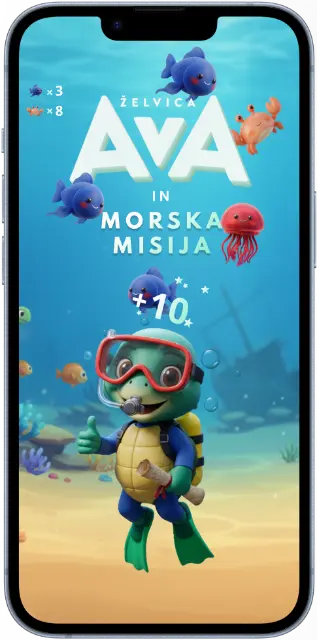
Brand-forward sites where motion, interaction and detail matter. Still fast. Still structured. Still scalable.
Examples: Sava Ava, brainylab
A modern website is a well-oiled system with rules, automations and clarity. For your team and for your visitors.
The questions we answer with you, one step at a time.
The same team builds the brand around it and the tools behind it.
What teams ask before a new site or a rebuild.
Yes, if the migration is planned. We map every old URL to a new one, set up 301 redirects, carry over metadata and structured data, and monitor rankings and crawl errors after launch. Most ranking losses after a redesign come from missing redirects, not from the new design.
Nobody can guarantee it, but you can make it possible. AI assistants can only cite what they can read, so we build pages that are rendered on the server, give each service its own clear page, and add structured data and FAQ content that answers real questions.
A JavaScript-only site is often invisible to AI crawlers.
It depends on the team using it. For most projects we use a modern headless CMS that gives editors simple, controlled fields. For complex sites, the CMS is customised to your content model, so editors cannot break the layout.
Yes, that is the point of the setup. Editors change text, images, pages and translations themselves. Developers are only needed for new page types or features.
Yes. We design the structure so adding languages stays manageable.
Yes. That is the "web system" part: partner portals, role-based access, document libraries and custom business logic, in as many languages as you need. Riko Ribnica's multilingual website includes a B2B portal layer.
Most likely. We have connected websites to different CRM and ERP systems, internal APIs and custom apps.